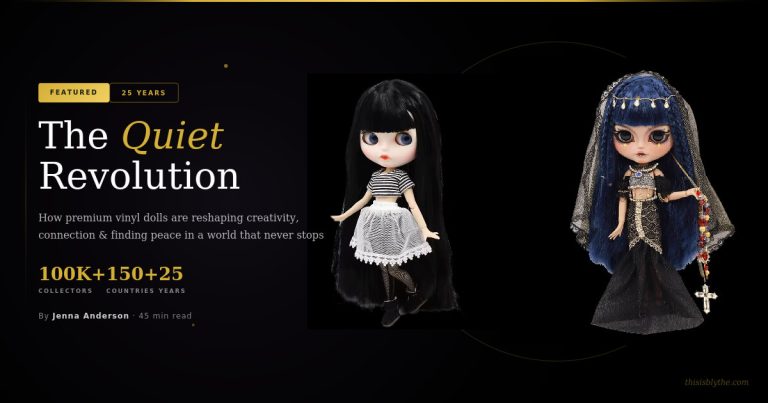
Blythe means joyful, cheerful, and carefree. The name comes from the Old English word blithe, which described a gentle and happy spirit. It is pronounced BLYTHE, rhyming with scythe. Today the name lives on in two ways: as a graceful English given name and as the world famous big eyed fashion doll first released in 1972.
In plain words, Blythe describes a person or a feeling that is happy, light hearted, and free of worry. The dictionary form of the word is blithe, defined as showing a casual and cheerful indifference, or simply lighthearted and merry. Think of a sunny afternoon with nothing on your schedule. That easy, smiling calm is the exact feeling the word was invented for.
English speakers today mostly meet the word in its adverb form, blithely, which means happily and without a care. The name form, Blythe, keeps the older and warmer sense: pure joy, gentleness, and peace.
Blythe is a primarily feminine given name that grew out of an English surname. The surname carried the meaning cheerful, joyful, and pleasant, and parents later adopted it as a first name for exactly those good wishes.
Surnames appeared in England in medieval times, often as small descriptions of character. A man called Richard Blythe likely earned the name because of his easy going, happy nature. Centuries later, the most famous modern bearer is the American actress Blythe Danner, an Emmy and Tony winning performer and the mother of Gwyneth Paltrow.
As a baby name, Blythe remains rare, which is part of its charm. It sounds classic and modern at the same time, it is short, and it carries one of the sweetest meanings in the English language. Many people also connect it with the play Blithe Spirit by Noel Coward, which borrowed the word for its light, lively mood.
One small point of confusion: Blythe is also a city in California. The city was named after a person, the gold prospector Thomas Blythe, so even the desert town traces back to the same joyful surname.
Both are correct. They are two spellings of the same word.
Blithe with an i is the standard dictionary spelling of the adjective. Blythe with a y is the traditional spelling for names, places, and the doll. If you are describing a mood, write blithe. If you are writing about a person, the doll, or the brand, write Blythe. Older English also used Blyth and Blith, and you can still see those spellings in English place names today.
Blythe is one syllable: BLYTHE, rhyming with scythe and writhe. The th is soft and voiced, like the th in breathe. Some speakers use a crisper th, as in myth, and both are accepted. The y sounds like the y in sky.
If you have only ever seen the name written down, you are in good company. Many collectors first met the doll online in the early 2000s and only learned the sound of the name years later, often thanks to Blythe Danner appearing on television.
River names preserve some of the oldest words in English, and eastern England has two rivers called Blyth with towns of the same name near their mouths. The Anglo Saxon settlers who arrived after 500 CE named these rivers Blyth to describe their calm, tranquil nature and pleasant course.

The River Blyth, Northumberland, North East England
The word itself is ancient. It appears in Old English, Old Dutch, Old German, and Old Norse, and the etymology of blithe traces it to the Proto Germanic word blithiz, meaning gentle and kind. Its closest living cousin is the word bliss. Scholars link the family even further back to ancient roots connected with brightness and light, and Sanskrit has the related word bhala, meaning splendour. Joy, light, and warmth are woven into the name at every layer of its history.
The Kenner toy company released the first Blythe doll in the United States in 1972, designed by Allison Katzman and inspired by the big eyes art style of the era. The name was a perfect fit: a doll created to spark joy, wearing a name that literally means joy.
The original doll was produced for only one year, which is why vintage Kenner Blythes became prized collector treasures. Decades later, photographer Gina Garan reignited worldwide love for Blythe with her book This Is Blythe, and the doll found her second life in Japan and then everywhere else. You can read the full journey in the story of Blythe dolls and learn more about who created Blythe dolls.
New to the doll herself? Start with what is a Blythe doll for sizes, eye colors, and everything that makes her special.
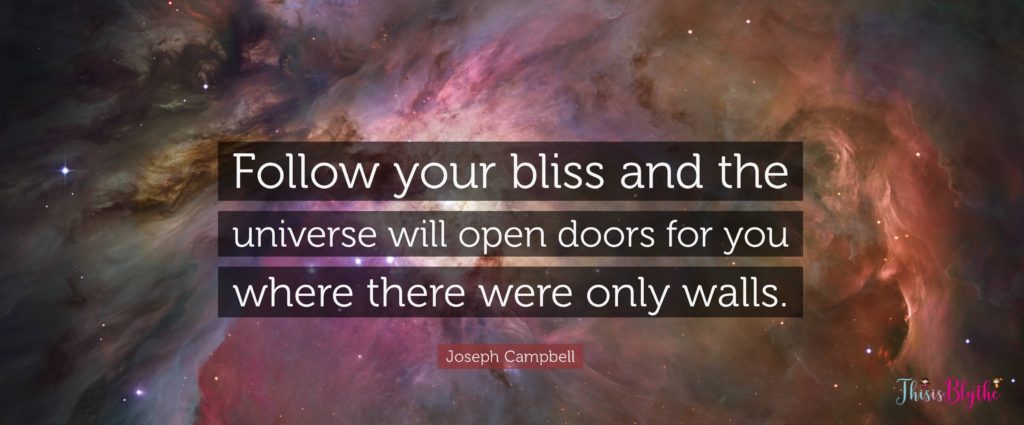
It is the closest cousin of Blythe, the word bliss, that best captures the spirit of these dolls. The American folklorist Joseph Campbell, author of The Hero with a Thousand Faces, famously urged people to follow your bliss: to spend time on the things that bring deep, quiet joy, and let that joy open doors.
That is what Blythe truly is. Not just a name, but a feeling: a serene pleasure free of worldly worries. Collecting, customizing, and sharing these dolls with a worldwide community is a hobby that lives up to its name every single day.
Blythe means joyful, cheerful, and carefree. It comes from the Old English word blithe, describing a gentle and happy spirit, and it grew from an English surname into a rare and elegant given name.
Blythe is one syllable and rhymes with scythe. The th is soft, like the th in breathe. The y sounds like the y in sky.
Both spellings are correct. Blithe is the dictionary spelling of the adjective meaning lighthearted. Blythe is the traditional spelling used for names, places, and the doll.
The Kenner toy company chose the name for its first big eyed fashion doll in 1972. The name means joy, which matched a doll designed to delight. The doll kept the name through her revival in 2000 and beyond.
Blythe is primarily a feminine given name, though it began as an English surname used by all. The best known bearer today is the actress Blythe Danner.
Meet the dolls that live up to the name
Every handmade custom Blythe doll is crafted to bring that blithe feeling home: joy, calm, and a little everyday magic. Browse the custom Blythe doll full sets, design your own with the build your own doll studio, or try our free Find Your Doll Twin tool to discover the doll that looks like you.
I love these dolls
This name meaning is so interesting!
I learned about these dolls from an online friend back in 2002 and had absolutely no idea how to pronounced the name since we only had text and no audio. Eventually I did learn the actual pronunciation when a tv entertainment show mentioned actress Blythe Danner.
Thanks for the interesting article
Blythe dolls are so unique to me. I love the community!
Say hello to Jenna Anderson — our Customer Happiness Director and resident Blythe doll devotee. Affectionately known around the studio as the “Blythe Whisperer,” Jenna spends her days helping collectors find the doll that feels unmistakably theirs, and her evenings writing the stories you read here. Her warmth, eye for detail, and genuine love of these big-eyed characters make her the heart of the This Is Blythe community.
When she steps away from the inbox, you'll find her sewing tiny doll-sized accessories, behind a camera, or lost in some new arts-and-crafts project — the same curiosity and care she pours into every doll. Read more about Jenna's journey into the world of Blythe here.
New posts, doll drops & members-only deals — straight to your inbox.
No spam, just dolls. Unsubscribe anytime.
Here's your code — tap copy, then use it at checkout.
Your welcome code
BFF26BYNWUse it on any new order — we've emailed it to you, too. Every order ships free worldwide with a 30-day guarantee. 💕
Free Worldwide Shipping | 30-Day Money-Back Guarantee
© 2026 This Is Blythe Official Website. All rights reserved.
The world’s top custom Blythe doll maker since 2000.
Cookie Policy | Accessibility Statement | Do Not Sell or Share My Personal Information | Ethics & Compliance | GDPR & CCPA Compliance | Data Processing Agreement | Trust Certificate | DMCA