Table of Contents
In the tapestry of human civilization, dolls hold a unique and enduring place. These miniature embodiments of the human form are far more than mere playthings. They are artifacts of history, mirrors of culture, and canvases for artistic expression. From the ancient Venus figurines, carved from the earth’s elements, to the modern Blythe dolls, crafted with meticulous detail, each doll tells a story—a story of the people, the times, and the beliefs that shaped it.
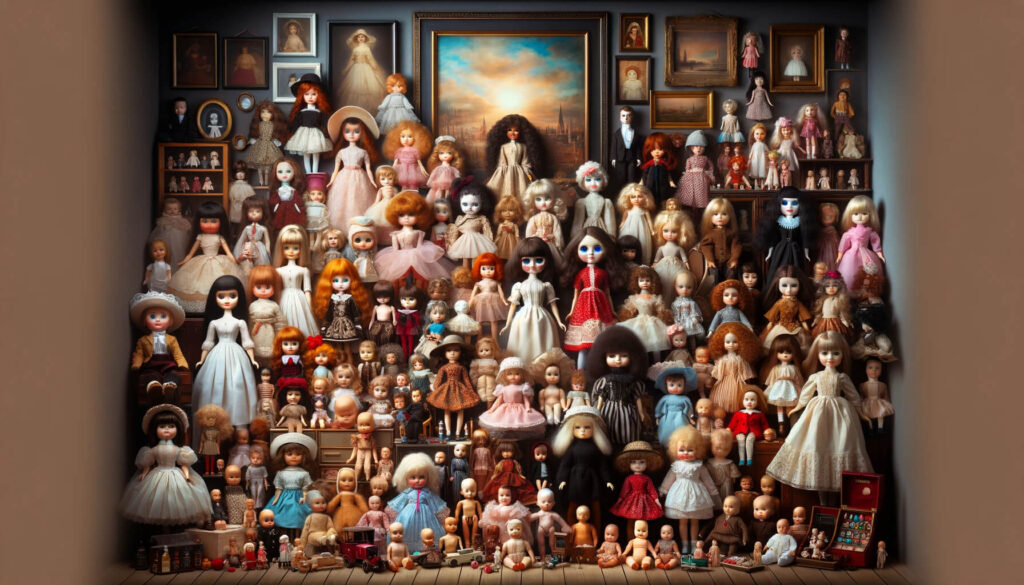
The history of dolls is as diverse as it is ancient, paralleling the evolution of human societies. In every corner of the world, from the dense jungles of the Amazon to the bustling cities of the modern era, dolls have been found, cherished, and revered. They have been fashioned from clay, wood, fabric, and, in recent times, synthetic materials, each medium reflecting the technological and artistic advancements of its era.
But why do these inanimate objects captivate us so? The importance of dolls transcends mere aesthetics or play. They are symbols of our innate desire to create and to connect. For children, dolls are companions and confidants, gateways to imaginary worlds where they learn the intricacies of human relationships and emotions. For adults, dolls can be nostalgic reminders of youth, collectors’ items, or even works of art that convey profound cultural and personal narratives.
Moreover, dolls are silent witnesses to history. They have been present through the rise and fall of empires, the ebb and flow of cultures. In their own way, they tell the tales of societal norms, fashion trends, religious beliefs, and artistic styles of their times. They are, in essence, a reflection of humanity itself—of our creativity, our diversity, our adaptability, and our unceasing quest for understanding both ourselves and the world around us.
As we embark on this journey through the world of dolls, we will uncover their multifaceted significance. From their historical roots in ancient civilizations to their modern incarnations in the form of beloved collectibles and fashion icons like Blythe Dolls, we will explore how these timeless figures have captivated our hearts and imaginations for millennia, and why they continue to be a cherished part of our cultural fabric.
In this exploration, we will delve into the myriad ways in which dolls have been important to us—across continents, cultures, and ages—revealing not just the evolution of a beloved artifact, but also providing a window into the very soul of humanity. Join us as we uncover the rich and vibrant story of why dolls are so important to us.
The story of dolls is as old as human history itself, weaving through the fabric of civilizations and cultures across the globe. From the prehistoric figurines to the elaborate dolls of the modern era, each epoch in human history has seen its unique interpretation and utilization of these fascinating artifacts.

One of the earliest known examples of doll-like figures are the Venus figurines, dating back to the Paleolithic era. The most famous among these, the Venus of Willendorf, discovered in Austria and estimated to be over 30,000 years old, stands as a testament to the ancient roots of doll-making. These figurines, often robust in form and rich in symbolic meaning, are believed to represent fertility and motherhood. They were not mere artistic endeavors but held significant cultural and possibly religious significance. Their widespread discovery across Eurasia suggests a shared cultural phenomenon among prehistoric societies, hinting at the deep-rooted human need to represent and venerate the essence of life and creation.

In Japan, the enigmatic Dogū figurines from the Jomon period (14,000 – 300 BCE) add another layer to the historical narrative of dolls. These clay figures, characterized by their heart-shaped faces, bulging eyes, and elaborate patterns, have been a subject of fascination and mystery. While their exact purpose remains a topic of debate among historians, it is widely believed that they were used in religious rituals. Some theories suggest that they were goddess representations or amulets for safe childbirth, reflecting the deep spiritual connection humans have always had with doll-like representations.
In the Americas, the Aztec civilization, flourishing between the 14th and 16th centuries, created figurines that were integral to their religious and cultural practices. These figures, often made from terracotta, were not only artistic expressions but also served as physical representations of deities and spiritual guides. The Aztecs believed these dolls could act as vessels for divine communication, bridging the earthly realm with the spiritual. They played a crucial role in rituals, ceremonies, and were often buried as grave offerings, underscoring their significance in both life and death.
Fast forward to 19th-century Europe, the advent of China dolls marked a significant evolution in the world of doll-making. Originating in Germany, these dolls were renowned for their glazed porcelain heads and meticulously detailed features. They became immensely popular in Victorian England and America, reflecting the fashion trends of the era. The china dolls were dressed in the latest styles, often mirroring the attire of the upper class, and thus served as miniaturized reflections of societal norms and fashions. Over time, these dolls transitioned from children’s playthings to coveted collectibles, chronicling the evolution of fashion and social customs.

In Africa, dolls serve as more than toys; they are symbols of cultural heritage and identity. The Akuaba dolls of the Ashanti people in Ghana are a prime example. Carved from wood and characterized by their disc-like heads and cylindrical bodies, these dolls are deeply imbued with symbolism. Traditionally, they were used as fertility charms, carried by women who wished to conceive. The dolls are not only a reflection of the Ashanti ideals of beauty but also serve as a tangible connection to ancestry and heritage. Passed down through generations, they embody the continuity of cultural values and traditions.
Throughout history, dolls have served as a mirror to our past, a reflection of our beliefs, aspirations, and artistic expressions. From the ancient figurines venerating fertility to the porcelain dolls echoing Victorian fashion, each era’s dolls tell a unique story of the people and their times. As we explore the historical journey of dolls, we begin to understand their enduring appeal and the indelible mark they have left on human culture and civilization.
The influence of dolls on culture and psychology is profound and multifaceted. Across different societies and historical periods, dolls have been more than mere representations of the human form; they have been instruments of cultural transmission, psychological development, and emotional expression.
The role of dolls in childhood development cannot be overstated. They are among the first tools through which children make sense of their world. Through dolls, children learn to nurture, empathize, and engage in complex social interactions. These seemingly simple playthings allow children to explore various roles, from caregivers to leaders, thus fostering essential social and emotional skills.
Anecdotes abound of children talking to their dolls, treating them as real companions. This behavior is not just a cute aspect of childhood but a critical part of emotional development. For instance, renowned developmental psychologist Jean Piaget observed that children often attribute feelings and thoughts to their dolls, a process crucial for developing empathy and understanding others’ perspectives.
In many cultures, dolls hold a significance that goes beyond play. They are often integral to rituals and ceremonies. For example, in Japan, the Hina Matsuri, or Doll Festival, is a time when families display elaborate sets of dolls representing the Emperor, Empress, and their court. These dolls are not only beautiful but also carry a wish for the health and happiness of young girls.
Similarly, Native American Kachina dolls are sacred objects, representing spirits of deities, natural elements, or animals. These dolls are used in religious ceremonies and as educational tools, teaching children about the spiritual beliefs and practices of their tribe.
Dolls have also been used therapeutically, aiding in psychological healing and expression. The use of dolls in play therapy is a testament to their power in helping children and adults process emotions and experiences. Therapists often use dolls to help patients articulate feelings or experiences they might find difficult to express in words.
In some cases, dolls are used to help those with dementia or Alzheimer’s. The dolls can evoke a sense of calm and purpose, particularly in patients who had strong nurturing tendencies earlier in their lives. They can trigger positive memories and feelings, providing comfort in an otherwise confusing world.
Dolls often reflect societal norms and values. For instance, the evolution of fashion dolls over the decades mirrors changing perceptions of beauty, gender roles, and societal expectations. The shift from the unrealistically proportioned Barbie dolls of the mid-20th century to more diverse and realistic representations in recent years shows a growing awareness and acceptance of different body types, ethnicities, and abilities.
However, dolls don’t just reflect societal norms; they can also shape them. By providing diverse representations in dolls, manufacturers can influence children’s perceptions of normalcy and acceptance from a young age. This impact is significant in fostering an inclusive society where diversity is not just recognized but celebrated.
The cultural and psychological impact of dolls is far-reaching. From aiding in childhood development to serving as symbols in cultural rituals, from being therapeutic aids to reflecting and shaping societal norms, dolls are deeply ingrained in the human experience. Their significance in our lives, both as children and adults, underscores the interconnectedness of play, culture, psychology, and education, revealing the complex tapestry of human life and society.
In modern times, the evolution of dolls has mirrored the rapid changes in society, technology, and culture. Today, dolls are not only cherished toys but also powerful symbols in popular culture, fashion, and the arts. They continue to fascinate, both as playful companions for children and as collectibles and artistic objects for adults.
The mid-20th century marked a significant shift in the world of dolls with the introduction of action figures and fashion dolls. Action figures, like G.I. Joe, introduced in the 1960s, represented a new genre of dolls aimed predominantly at boys. These figures were not just toys but symbols of bravery and heroism, reflecting the societal values of the time.
Fashion dolls, particularly Barbie, introduced in 1959, revolutionized the doll market. Barbie was not just a doll; she was a cultural icon, embodying the ideals and aspirations of young girls around the world. Over the years, Barbie has taken on countless roles, from astronaut to president, reflecting the changing aspirations and expanding career choices for women.
A unique chapter in the history of modern dolls is the story of Blythe Dolls. Originally created in the early 1970s, these dolls, with their oversized heads and striking eyes that change color with the pull of a string, did not initially find widespread popularity. However, they experienced a resurgence in the late 1990s, becoming a cult favorite among adult collectors and artists.

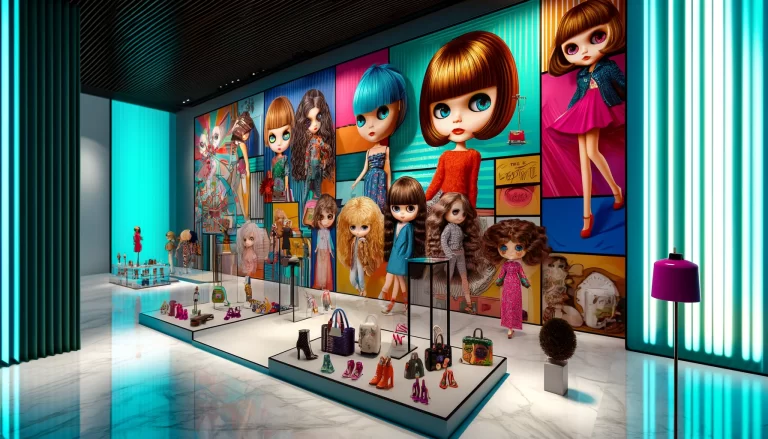
Blythe Dolls are renowned for their whimsical, often surreal appearance and have become a canvas for creativity. Customizers and artists transform these dolls, reimagining them with new outfits, hairstyles, and even hand-painted faces. They are not just toys but works of art, each with its own distinct personality and story.
The digital age has further transformed dolls, integrating them with technology. Interactive dolls that can speak, respond to touch, or even connect to the internet are becoming increasingly common. These high-tech toys offer new ways for children to engage and interact, combining traditional play with the latest technology.
Moreover, the internet has created a global community of doll enthusiasts. Online forums, social media platforms, and e-commerce sites have connected collectors, artists, and fans from around the world. Through these platforms, people share their creations, sell custom dolls, and exchange tips and techniques, fostering a vibrant and interconnected global community.
Modern dolls often serve as commentators on contemporary culture and society. They can be seen in art installations, political satires, and social commentary pieces, used to highlight and critique various aspects of modern life. For example, artists have used dolls to address issues such as body image, consumerism, and gender roles, leveraging their familiar and often nostalgic form to convey powerful messages.
In modern times, dolls have transcended their traditional roles. They are no longer just children’s playthings but have become a medium for artistic expression, a subject of adult collection and admiration, and a reflection of societal changes and technological advancements. From action figures and fashion dolls to the unique world of Blythe Dolls, the evolution of these figures continues to captivate and inspire, demonstrating their enduring appeal and significance in contemporary culture.
Dolls have long transcended their origins as children’s playthings to become significant in the realms of art and creativity. Their evolution reflects not only changes in technology and materials but also shifts in artistic sensibilities and cultural expressions.
The art of doll-making is an intricate process, showcasing diverse craftsmanship techniques across different cultures and historical periods. Traditional Russian Matryoshka dolls, with their nested design, are a testament to skilled woodwork and detailed hand-painting. Japanese Kokeshi dolls, characterized by their simplicity and lack of arms and legs, highlight an entirely different aesthetic, focusing on minimalism and elegance.
In contrast, the modern-day Reborn dolls exhibit hyper-realistic features, created with materials like silicone or vinyl to closely resemble human infants. The painstaking process of creating these dolls, which includes adding multiple layers of paint for skin tones, implanting hair, and even adding weight to mimic the heft of a real baby, reflects an advanced level of artistry.
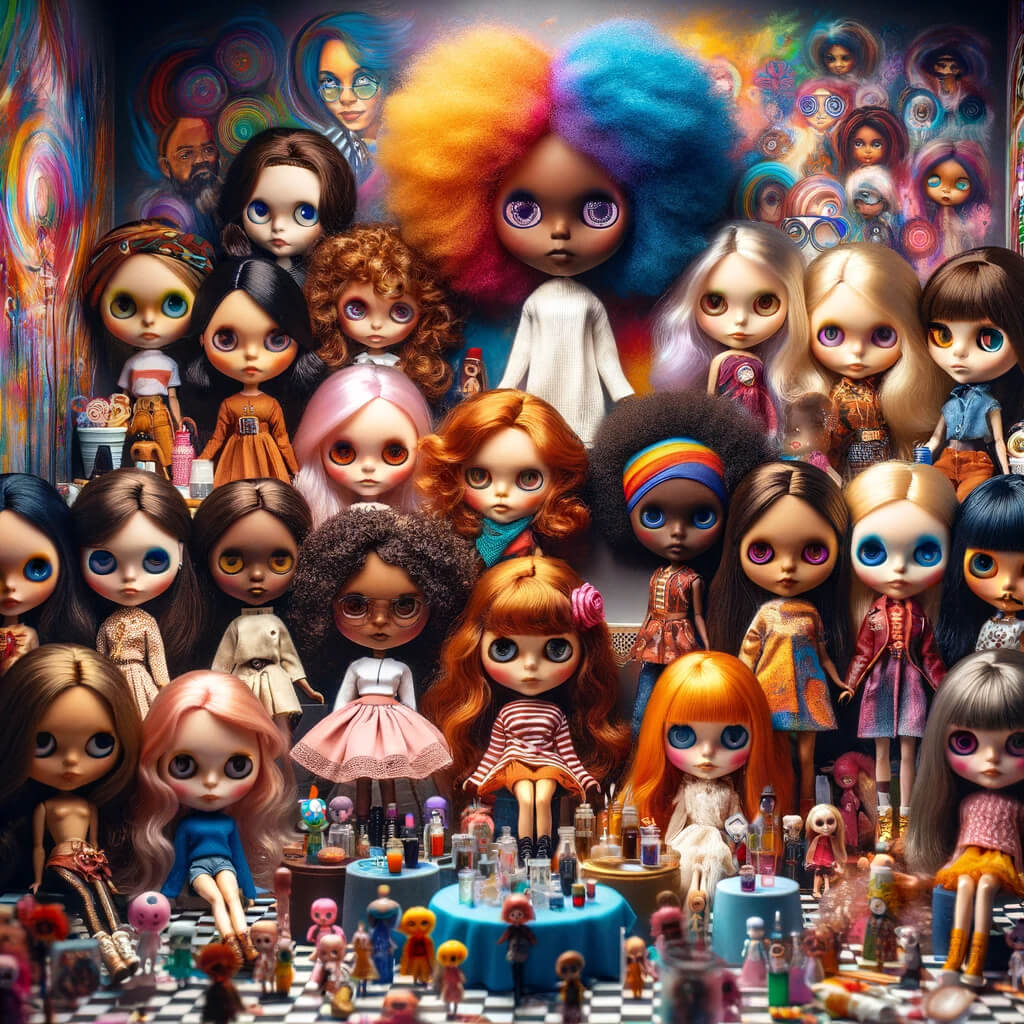
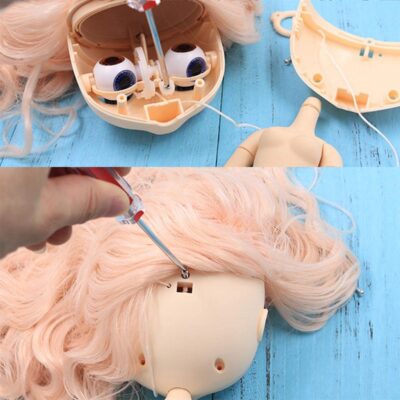
Dolls have also become a medium for artistic expression. Custom doll-making, particularly in the Blythe Doll community, is a vibrant art form. Artists, known as customizers, take factory-made dolls and transform them into unique creations. This process can involve modifying the doll’s body, repainting the face, and creating intricate outfits. Each custom Blythe Doll becomes a one-of-a-kind piece, reflecting the artist’s vision and style.
The influence of dolls in the world of fashion and design is undeniable. Designers have often drawn inspiration from the aesthetic and attire of dolls, bringing a sense of whimsy and fantasy into their creations. For instance, fashion shows have seen models adorned in outfits reminiscent of doll clothing, with exaggerated proportions and playful accessories, blurring the lines between the world of fashion and the playful nature of dolls.
Dolls have made their way into contemporary art and media, serving as powerful tools for storytelling and commentary. Artists like Marina Bychkova, known for her Enchanted Dolls, create intricate porcelain dolls that are both hauntingly beautiful and thought-provoking. These dolls often explore themes of femininity, identity, and human experience, challenging viewers to reconsider their perceptions of dolls as mere toys.
Similarly, photographers have used dolls as subjects to explore various social and cultural themes. The photographs capture the dolls in realistic settings, telling stories or highlighting societal issues, thus elevating the doll from a play object to a protagonist in visual narratives.
The artistic and creative aspects of dolls highlight their versatility and enduring appeal. From traditional craftsmanship to contemporary art, dolls serve as an intersection of creativity, culture, and expression. They are not just objects but canvases for artistic exploration, reflecting the ever-changing landscape of human creativity and imagination. Whether through the meticulous crafting of realistic figures, the whimsical designs in fashion, or their use in storytelling and art, dolls continue to inspire and captivate, transcending boundaries and enriching the world of art and design.
In the diverse world of doll collecting and customization, ‘This Is Blythe’ stands out as a premier destination for enthusiasts and artists alike. It’s a vibrant hub that not only celebrates the unique charm of Blythe Dolls but also fosters a thriving community of collectors, customizers, and admirers.
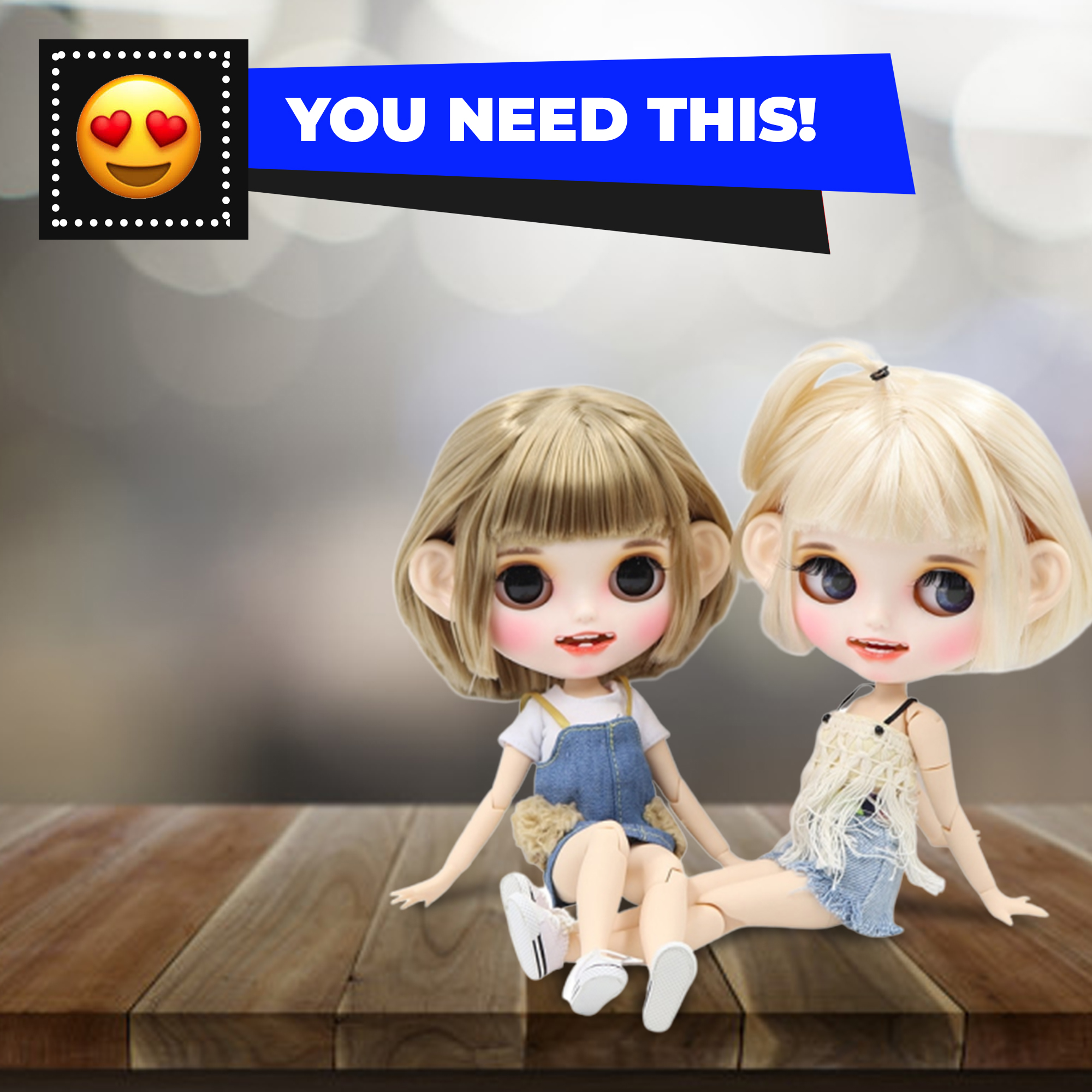
‘This Is Blythe’ offers an extensive range of Blythe Dolls, encompassing various styles, outfits, and accessories. The website caters to both newcomers to the world of Blythe and seasoned collectors, providing everything from stock dolls to highly customized pieces. Here, one can find dolls with an array of hairstyles, eye colors, and fashion ensembles, showcasing the versatility and appeal of these unique figures.
The accessories available on ‘This Is Blythe’ are particularly noteworthy. From chic miniature clothing to tiny, detailed shoes, each item is designed to enhance and personalize the Blythe Doll experience. Collectors revel in the opportunity to dress and accessorize their dolls, further cementing the Blythe Doll’s status as a fashion icon and a collector’s delight.
Beyond being a marketplace, ‘This Is Blythe’ is a community hub. It brings together people from all walks of life, united by their love for Blythe Dolls. The website features customer stories, photographs, and reviews, offering a glimpse into the vast and diverse world of Blythe enthusiasts.
One such story is of a graphic designer from Berlin, who found solace and inspiration in customizing Blythe Dolls during a difficult period in her life. Her story, shared on ‘This Is Blythe’, resonates with many who find joy, creativity, and a sense of community in the world of doll collecting and customization.
‘This Is Blythe’ is not just about selling dolls; it’s about showcasing artistic talent. The website often features customizers who transform Blythe Dolls into unique works of art. These artists modify everything from the doll’s hair and makeup to its clothing and accessories, each adding their personal touch. The transformations are often dramatic, highlighting the skill and creativity involved in customizing these dolls.
For instance, a featured artist from Japan takes inspiration from traditional Japanese kimonos, incorporating these elements into her doll designs. Her creations, shared on ‘This Is Blythe’, showcase the fusion of traditional art with modern doll customization, creating pieces that are both culturally significant and aesthetically striking.
‘This Is Blythe’ also serves as a learning platform for those interested in doll customization. Through blogs, tutorials, and customer-shared tips, the site provides a wealth of information for anyone looking to start or refine their doll customizing skills. From painting techniques to sewing miniature outfits, the knowledge shared here is invaluable for both beginners and experienced customizers.
‘This Is Blythe’ is more than just a retailer; it’s a cornerstone of the Blythe Doll community. It provides a platform for purchase, creativity, learning, and connection, catering to the diverse needs and interests of Blythe Doll enthusiasts worldwide. Whether one is a collector, an artist, or simply an admirer of these unique dolls, ‘This Is Blythe’ offers a welcoming and inspiring space to explore the captivating world of Blythe.
As we journey through the fascinating world of dolls, it becomes evident that their significance stretches far beyond mere playthings or collectibles. Dolls are a reflection of our history, culture, psychological development, artistic expression, and evolving technology. They embody the human experience in its entirety, capturing the essence of our societal evolution, creative endeavors, and emotional complexity.
From the ancient Venus figurines, symbolizing fertility and life, to the modern Blythe Dolls, reflecting contemporary art and fashion, dolls have continuously mirrored the societies that created them. They tell stories of our past, provide insights into our cultures, and even offer glimpses into our spiritual beliefs and practices. In every epoch, dolls have been more than artifacts; they have been companions, symbols, and storytellers.
The psychological bond between humans and dolls is profound. For children, dolls serve as tools for learning and understanding the world. They help develop empathy, imagination, and social skills. For adults, dolls can be a source of nostalgia, a means of artistic expression, or a connection to a larger community of enthusiasts. This emotional resonance is a testament to the depth and complexity of our relationship with these seemingly simple objects.
The world of doll customization, particularly within communities like ‘This Is Blythe’, highlights the artistic and creative potential of dolls. Artists and customizers transform dolls into unique pieces of art, each telling its own story and reflecting the creator’s vision. In the broader context, dolls in contemporary art and media serve as powerful tools for cultural commentary, challenging perceptions and sparking conversations.
Ultimately, the enduring appeal of dolls is a testament to human creativity and the desire for connection. Whether it’s through the careful crafting of a traditional doll, the intricate customization of a Blythe Doll, or the shared experiences of collectors and enthusiasts around the world, dolls bring people together. They transcend age, culture, and geography, uniting us in our shared love for creativity, storytelling, and the human form.
As we continue to explore and appreciate the world of dolls, we are not just engaging with toys or collectibles. We are embracing a rich tapestry of human history, creativity, and emotion. Dolls, in all their forms, are a celebration of humanity—a celebration that continues to evolve and inspire with each passing generation.
In conclusion, dolls are more than mere objects; they are portals to our past, mirrors of our present, and windows to our future. They capture the imagination, evoke nostalgia, inspire creativity, and foster connections, reminding us of the beauty and complexity of the human experience.
As we’ve journeyed through the enchanting history and multifaceted world of dolls, it’s clear that these cherished companions are more than just objects; they are a testament to human creativity, culture, and connection. Now, it’s your turn to become a part of this extraordinary world.
Visit This Is Blythe and immerse yourself in the captivating universe of Blythe Dolls. Whether you’re a seasoned collector or new to the world of Blythe, our extensive collection offers something for everyone. Discover the allure of Blythe with our Custom Blythe Doll Full Set, where each doll is not just a toy but a piece of art, waiting to be cherished and adored.
Curious about what’s trending? Dive into our Bestsellers section to see the dolls and accessories that are capturing hearts worldwide. From stylish outfits to unique Blythe Dolls, find out what makes these items a hit in the Blythe community.
Blythe is more than just a doll; it’s a lifestyle, a hobby, and a community of passionate enthusiasts. By choosing a Blythe Doll, you’re not just buying a product; you’re entering a world of creativity, storytelling, and connection. Learn more about our journey and mission at About This Is Blythe.
Whether you’re looking to start or expand your collection, seeking a unique gift, or simply want to experience the joy and creativity that Blythe Dolls bring, This Is Blythe is your go-to destination. Embrace the joy, delve into creativity, and become a part of a global community that appreciates the artistry and charm of Blythe Dolls.
This Is Blythe has created so many happy relationships over the last 24 years, the pleasure derived from crafting and collecting Blythe Dolls. So if you want to immerse yourself in a greatly rewarding hobby that represents a smart investment too, then take a look at our large range of Blythes and accessories, clothes & shoes. We understand dolls’ power and magic and have a Blythe Doll for every style and occasion.
Start your Blythe journey today. Explore, choose, and fall in love with a Blythe Doll that resonates with you. Because at This Is Blythe, every doll is a story waiting to be told, and every collector is a storyteller.
Visit This Is Blythe now – Your Blythe adventure awaits!
|
About the author Meet Jenna Anderson, the charming Customer Service Enchantress and Blythe doll aficionado at This Is Blythe. With her passion for all things Blythe and exceptional communication skills, Jenna guides customers to their perfect dolls while crafting enchanting blog posts that captivate the Blythe community. Known fondly as the "Blythe Whisperer," her dedication, expertise, and love for Blythe dolls make her an invaluable team member. Outside of work, Jenna's creativity extends to miniature doll accessories, photography, and arts and crafts, inspiring those around her. Read more about Jenna's captivating journey in the world of Blythe dolls here. Follow Jenna Anderson on: |
|---|