Your friends keep asking to buy your dolls. Here is how to turn a hobby into a small, happy business.
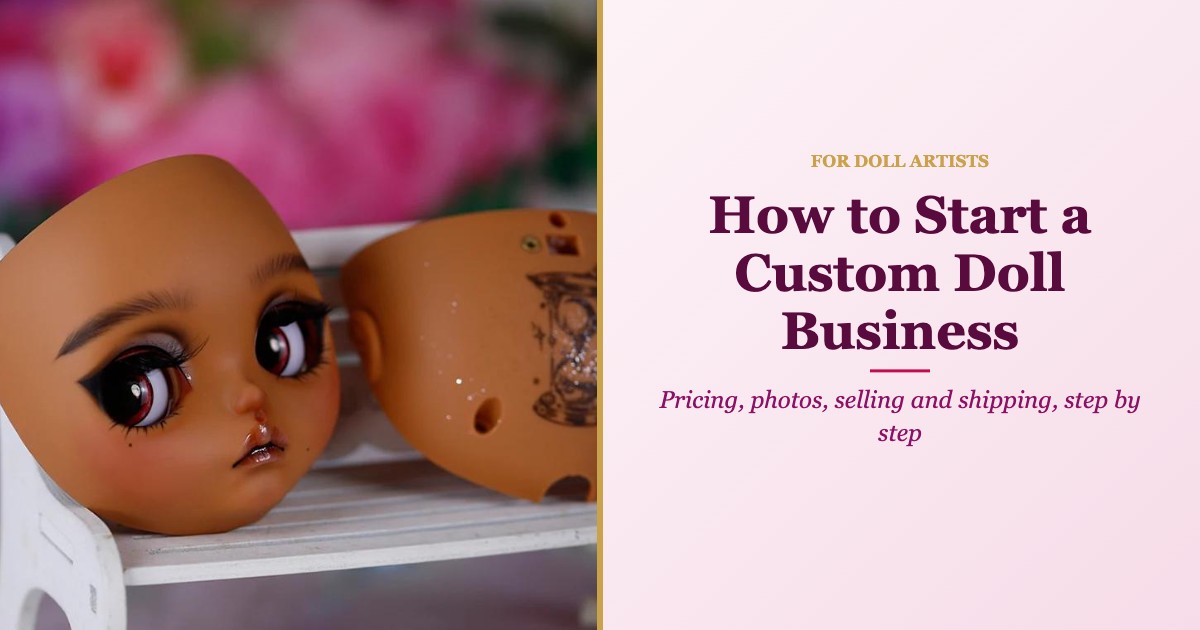
It usually starts the same way. You customize a doll for yourself, post a photo, and someone asks, “Would you sell her?” If that has happened to you more than once, you might be ready to start a custom doll business.
We sell custom Blythe dolls to collectors all over the world, so we know what makes buyers happy and what makes them nervous. Here are nine practical steps to help you start well.
Your first few dolls are for learning. Customize, photograph and critique your own work until your faces are clean, even and consistent. Practise on spare faceplates and inexpensive factory dolls, and keep notes on what worked.
If you are just starting, our guides on how to customize a Blythe doll and the 8 things you need to customize Blythe dolls will help you build the basics.
Collectors buy from artists, not just dolls. A recognizable style, whether that is freckled sleepy faces, bold fantasy looks or soft vintage charm, makes your work easy to remember and easy to share. Look at your best five dolls and ask what they have in common. That is your style.
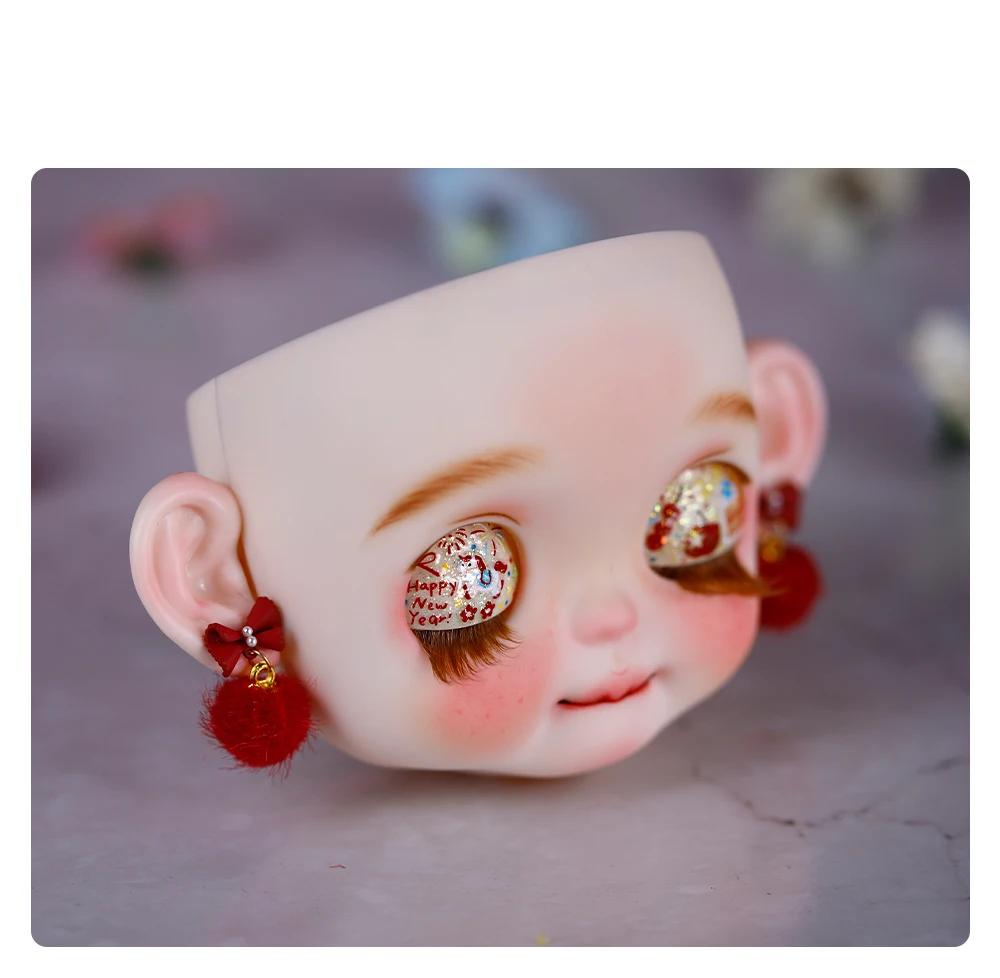
Trust is everything in a custom doll business. Tell buyers exactly what they are getting: the base doll, the body type, what you changed and what is original. If the base is a factory doll, say so clearly. Our explainer on what a factory Blythe doll is covers the differences.
Be careful, too, with brand names and logos you do not own. Describe your work accurately, and check the rules where you live if you are unsure.
Underpricing is the most common mistake new artists make, and it is a shame, because the margins in this niche can be excellent. You can start with an affordable base doll and a small set of tools, while finished custom Blythe dolls often sell for $700 or more, and pieces by sought-after artists can reach $5,000. That is easily ten times the cost of materials. A simple way to start:
Look at what artists with similar skill and style charge, then price with confidence. It is much easier to offer a sale later than to raise prices on loyal buyers.
Most buyers will only ever see your doll in photos. Use soft daylight from a window, a simple background and the doll’s eye level. Show the face straight on, both sides, the full body and close-ups of the details. Our Blythe doll photography tips work with just a phone.
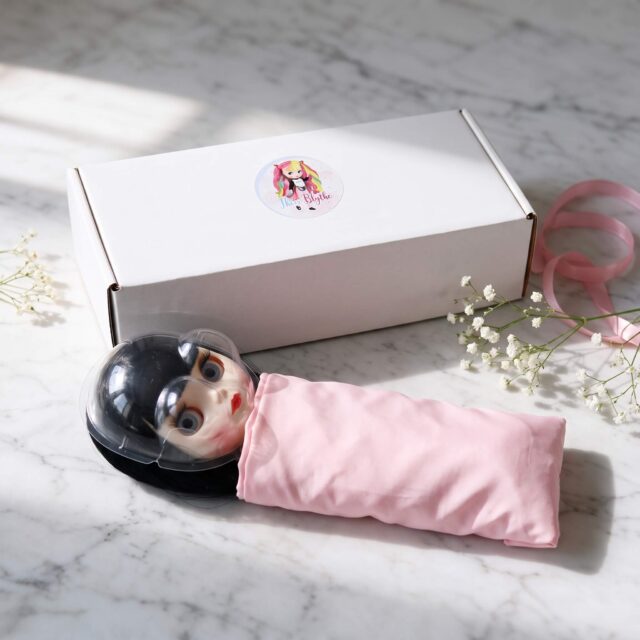
A custom doll is fragile, and she is often traveling a long way. Protect her face with a soft cover, keep her hair in place with a light wrap, pad the box well so nothing moves, and always use tracked shipping. A handwritten thank-you note costs almost nothing and makes the unboxing feel special.

Commissions are a lovely way to earn, but they need clear rules. Agree on the design in writing, take a deposit before you start, give an honest timeline, and say how many changes are included. Clear rules protect you and your buyer.
Keep simple records of everything you buy and sell, register the business if your country requires it, and learn the tax rules where you live. If you sell dolls for children, toy safety rules may apply, which is one reason many artists sell their work as collectibles for adults. The US Small Business Administration’s planning guide is a helpful, free place to start with the paperwork side.
Our advice for your first year
Make fewer dolls and make them beautifully. Answer every message kindly. Ship carefully. Your first ten happy buyers will tell their friends, and that is how a custom doll business really grows.
Our DIY Blythe Kit gives you a doll ready to customize, and our Blythe tools and supplies section has everything from sandpaper to eye chips. You can also find spare faces in our Blythe faceplates shop.
Curious about the market you are joining? Read why Blythe dolls are so expensive and why Blythe dolls are so popular.
With love, This Is Blythe Team
I was totally lost on how to start. Thank you!
Say hello to Jenna Anderson — our Customer Happiness Director and resident Blythe doll devotee. Affectionately known around the studio as the “Blythe Whisperer,” Jenna spends her days helping collectors find the doll that feels unmistakably theirs, and her evenings writing the stories you read here. Her warmth, eye for detail, and genuine love of these big-eyed characters make her the heart of the This Is Blythe community.
When she steps away from the inbox, you'll find her sewing tiny doll-sized accessories, behind a camera, or lost in some new arts-and-crafts project — the same curiosity and care she pours into every doll. Read more about Jenna's journey into the world of Blythe here.
New posts, doll drops & members-only deals — straight to your inbox.
No spam, just dolls. Unsubscribe anytime.
Here's your code — tap copy, then use it at checkout.
Your welcome code
BFF26BYNWUse it on any new order — we've emailed it to you, too. Every order ships free worldwide with a 30-day guarantee. 💕
Free Worldwide Shipping | 30-Day Money-Back Guarantee
© 2026 This Is Blythe Official Website. All rights reserved.
The world’s top custom Blythe doll maker since 2000.
Cookie Policy | Accessibility Statement | Do Not Sell or Share My Personal Information | Ethics & Compliance | GDPR & CCPA Compliance | Data Processing Agreement | Trust Certificate | DMCA