What is now a long time ago, back in the 1970s, the Kenner Toy Company started producing the first iconic Blythe Dolls. Following this brief run, the line was abruptly and fatefully halted as it was felt that children were just too creeped out by Blythe’s uncanny appearance. Little did they know at the time that Blythe was to have a tremendous and unstoppable resurgence years later. But at the time, the decision was made based on sales. Blythe was viewed by the management as just too quirky. Ahead of her time, no doubt.

If you look at the not-dissimilar and deeply forlorn line of dolls called “Little Miss No Name” as well as Margaret Keane’s “Big Eyes” paintings, which helped to inspire Blythe, you can see why some children might not have felt all that comfortable with such a doe-eyed, disproportionally large-headed and eerily life-like companion.
Little Miss No Name was in a sense a precursor to Blythe. Released by Hasbro in 1965, it was a truly haunting doll: a destitute girl likely inspired by Hans Christian Andersen’s “Little Match Girl”, with no shoes and only a hessian dress and a troubled demeanour designed to engender sympathy. Perhaps in the inevitable move to abandon this product, the incipient Blythe Dolls too were lumped together as not being the right fit for the market. Blythe was indeed a risk for Kenner. She was the antithesis of the classic Barbie Doll and she eschewed the consumerism and conformity of the time.
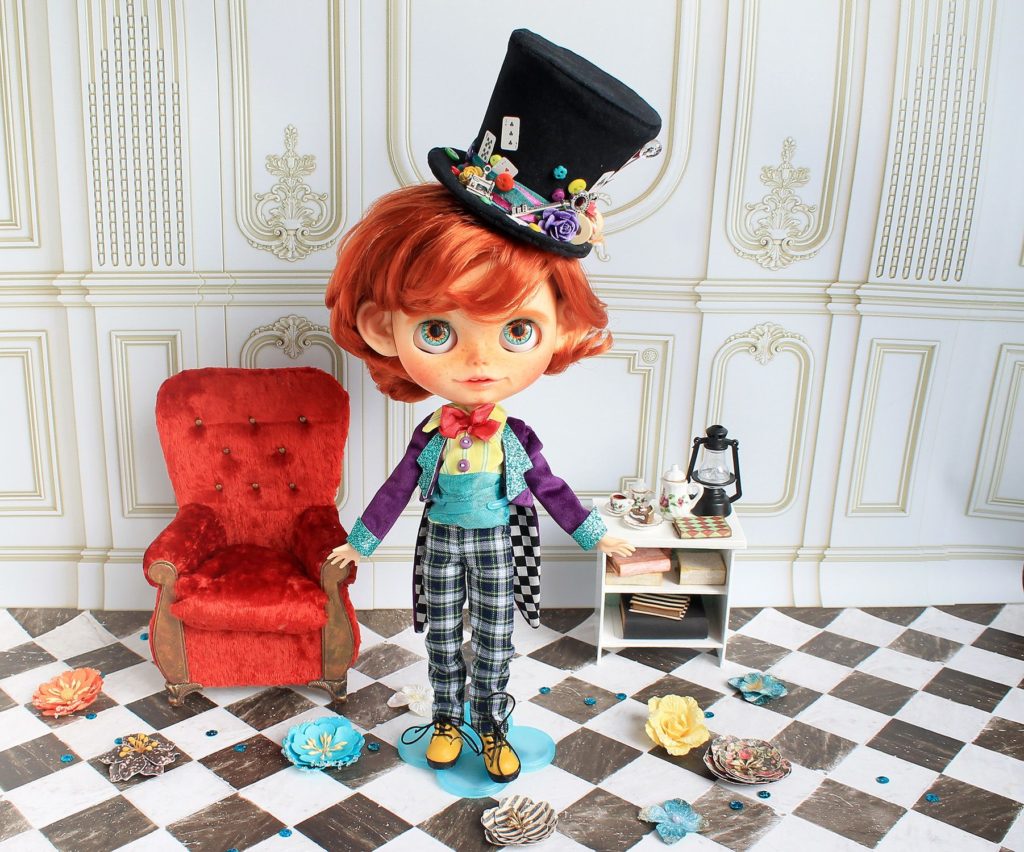
Marketing departments and business people often make reactive decisions that don’t actually reflect the reality of the market or only acknowledge the temporary state of a trend. But the reality now is that now more and more parents are buying their children Blythe Dolls. Times have changed. Blythe Dolls are affordable and there are so many clothes and accessories available for them that they make excellent gifts without breaking the bank.
High-quality and well-designed One-Of-A-Kind Custom Blythes retail for as little as 400 dollars. They stay in the family, they appreciate in value as more items are added to them, and they prove to be an excellent value in the enjoyment they bring. These days Blythe Doll culture is mainstream and worldwide. Blythes are not the obscure and bizarre gifts they were back in the 1970s. Today Blythe’s are viewed for what they really are: incredibly cool and attractive showpieces.

Even if younger children can’t quite connect with a Blythe, as they rapidly get older they warm to them and appreciate the quirkiness and the unique vogue vibe that a Blythe radiates. As children grow and adapt to the world, they come to see dolls less of a plaything and more as a cool, creative projection and an object of curiosity.
Maybe kids are less superficial these days. Maybe they are less conforming. Whatever the reason, Blythe Dolls for kids make great gifts and not in the least unloved by today’s youngsters.
Say hello to Jenna Anderson — our Customer Happiness Director and resident Blythe doll devotee. Affectionately known around the studio as the “Blythe Whisperer,” Jenna spends her days helping collectors find the doll that feels unmistakably theirs, and her evenings writing the stories you read here. Her warmth, eye for detail, and genuine love of these big-eyed characters make her the heart of the This Is Blythe community.
When she steps away from the inbox, you'll find her sewing tiny doll-sized accessories, behind a camera, or lost in some new arts-and-crafts project — the same curiosity and care she pours into every doll. Read more about Jenna's journey into the world of Blythe here.
New posts, doll drops & members-only deals — straight to your inbox.
No spam, just dolls. Unsubscribe anytime.
Here's your code — tap copy, then use it at checkout.
Your welcome code
BFF26BYNWUse it on any new order — we've emailed it to you, too. Every order ships free worldwide with a 30-day guarantee. 💕
Free Worldwide Shipping | 30-Day Money-Back Guarantee
© 2026 This Is Blythe Official Website. All rights reserved.
The world’s top custom Blythe doll maker since 2000.
Cookie Policy | Accessibility Statement | Do Not Sell or Share My Personal Information | Ethics & Compliance | GDPR & CCPA Compliance | Data Processing Agreement | Trust Certificate | DMCA








Leave a comment